framelesstorquemotor.com
1 page · 0.6s · Scanned just now
Mostly human-written
74% confidence
The score is a fingerprint of automation, not a quality judgment. A high score means the page reads as machine-generated. It doesn't mean the page is bad.
This is a technical deep-dive on frameless torque motor integration, published with a date and scope statement typical of engineering white-papers. The prose uses proper nouns (IEC 60529, ISO 20653, IP67, IP69K), specific industry verticals (food processing, pharmaceutical, medical robotics), and avoids generic LLM phrasing entirely. The tone is authoritative and assumes reader expertise. Structure is conventional but purposeful—not templated. Minor AI signals come from the standard blog template (intro, sections, FAQ, related posts) and sparse imagery, but the content voice overwhelmingly reads as written by an engineer or motor specialist, not an LLM.
No governance risks detected
- Page title
- Integrating Frameless Torque Motors in IP67 and IP69K Washdown Environments: An Engineering and Procurement Guide | Frameless Torque Motor | OEM Direct-Drive Motor Supply
- Meta description
- Compare IP67/IP69K housing choices for frameless torque motors, including derating, seal torque, potting, validation tests, and RFQ actions.
- Canonical URL
- https://framelesstorquemotor.com/blog/frameless-torque-motor-ip67-washdown-integration
- Robots directive
- Not set — search engines default to index, follow
- Language
- en
- Built with
- Next.js
How the page presents itself in a Google result and as a shared link, rebuilt from the tags we crawled.
Integrating Frameless Torque Motors in IP67 and IP69K Washd…
Compare IP67/IP69K housing choices for frameless torque motors, including derating, seal torque, potting, validation tests, and RFQ actions.
- Title · 170 characters — long titles get cut around 60
- Description · 140 characters
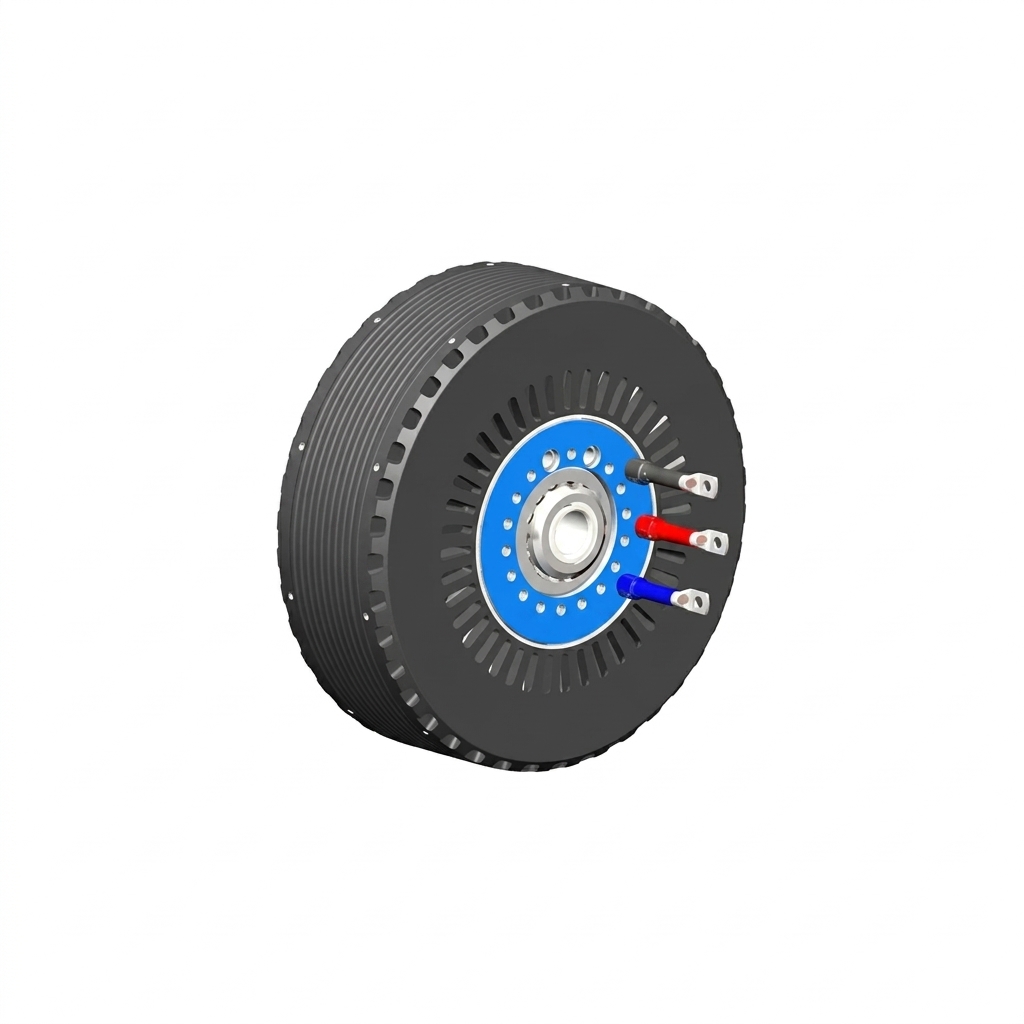
Integrating Frameless Torque Motors in IP67 and IP69K Washdown Environments: An Engineering and Procurement Guide | Frameless Torque Motor | OEM Direct-Drive Motor Supply
Compare IP67/IP69K housing choices for frameless torque motors, including derating, seal torque, potting, validation tests, and RFQ actions.
- Open Graph image present
- Worth notingStructure
Standard blog template (scope, FAQ, author, related posts) suggests semi-automated page generation, though content is original
Evidence- “Scope, Date, and Limits”H2
- “Buyer FAQ”H2
- “More Posts”H2
Try thisNo action needed—this structure is standard for technical blogs and does not conflict with authentic authorship of the content itself
- Worth notingImagery
Images present but minimal; no custom technical diagrams, schematics, or product photography evident
Evidence- “8 images”page
- “missing alt: 0”page
Try thisAdd custom diagrams (cross-section of sealed housings, shaft-seal configurations) or photos of actual frameless motor assemblies to strengthen credibility
Signals of human authorship the page is doing well.
- Content
Technical jargon and industry-specific references (IEC 60529, VPI, parasitic torque, magnet-wire insulation classes) demonstrate genuine domain expertise
- Tone
Opens with a named 'paradox' that frames the problem authentically—frameless motors lack IP ratings because they lack housings—revealing insider knowledge
- Content18
Technical depth, proper nouns, specific standards (IEC 60529, ISO 20653), and dated publication mark human expertise—no generic AI phrasing detected
- Structure35
Logical topic progression with scope/limits upfront, but follows a standard blog structure: intro problem, detailed explanation sections, FAQ, author, related posts
- Imagery25
8 images with perfect alt-text coverage suggests human curation, but limited visual material and no custom technical diagrams or product photography visible
- Tone20
Distinct technical voice addressing a specific audience (OEM procurement teams, engineers), with jargon authenticity and a paradox-based framing that signals domain knowledge
- Words3,004
- Images8
- Alt coverage100%
- Internal links66
- External links6
- Schema blocks2
- HTML size222 KB
- Text-to-HTML8%
Each bar is one sentence of the page, in reading order — taller means longer. Human prose tends to look jagged, mixing short punches with long explanations. Machine drafts tend to flatten into even bars.
Computed from the body text we crawled, split on punctuation and filtered to prose-length sentences. Rhythm is a heuristic, not a verdict — some human writers are metronomically even, and a good editor smooths a machine draft.
No common LLM-marker phrases found — none of the stock AI vocabulary we scan for appears in the body text even once.
- Meta tagsAll presentWhy this matters
Why it matters. Title and description are the two strings Google shows in search results. They decide whether anyone clicks. A canonical tag tells Google which URL is the source of truth when the same content lives at multiple paths.
Passing looks like. A non-empty title under 60 characters, a meta description under 160, and a self-referencing canonical link.
Fix. Add the missing tags inside the page head. Treat the title as a headline you'd want to read in a SERP, not a brand slogan.
- Heading structure1 H1, 13 H2Why this matters
Why it matters. Headings are how crawlers and assistive tech understand a page's outline. One H1 names the page. H2s break it into sections. Skipped levels and missing H1s confuse both.
Passing looks like. Exactly one H1, at least one H2, and no skipped levels (no H1 to H3 jumps).
Fix. Replace the missing or duplicate H1 with a single, descriptive heading. Promote section titles to H2. Demote sub-points to H3.
- Mobile readinessResponsiveWhy this matters
Why it matters. Google indexes mobile-first. A page without a responsive viewport renders zoomed-out on phones, fails Core Web Vitals on touch, and loses its mobile ranking.
Passing looks like. A meta viewport tag with width=device-width and a layout that reflows under 600px.
Fix. Add a viewport meta tag set to width=device-width and initial-scale=1, then audit your largest blocks at mobile widths.
- Page speed signals0.6s · 222 KBWhy this matters
Why it matters. Page weight and response time directly feed Core Web Vitals. Slow LCP and oversized HTML hurt rankings more than people expect.
Passing looks like. First-byte under 1.5s, HTML payload under 500 KB, fewer than 30 images on the initial render.
Fix. Trim render-blocking scripts, defer non-critical CSS, and serve compressed images sized to the viewport. Move heavy components below the fold.
- Schema markup2 schema blocksWhy this matters
Why it matters. JSON-LD structured data is how you earn rich results: review stars, FAQ accordions, breadcrumbs, article cards. Skip it and Google has nothing structured to pull from when it builds your SERP card.
Passing looks like. At least one valid JSON-LD block matching schema.org types relevant to the page (Article, Product, FAQPage, Organization).
Fix. Add an application/ld+json script block describing the page. Validate with Google's Rich Results Test before deploying.
- Broken links0/5 broken in sampleWhy this matters
Why it matters. Broken internal links waste crawl budget, degrade UX, and signal to Google that the site isn't well-maintained. They also cap how deep crawlers reach.
Passing looks like. Every internal link in the sample returns 2xx or 3xx. No dead anchors, no stale paths.
Fix. Use the link list above to spot the broken paths. Either restore the missing pages or update the links to point at live URLs.
- Image alt textAll have altWhy this matters
Why it matters. Alt text is what screen readers read aloud, and what Google reads instead of pixels. Skip it and you lose on both fronts.
Passing looks like. Every meaningful image has a descriptive alt attribute. Decorative images can use alt="" to be skipped intentionally.
Fix. Audit images in /assets and CMS uploads. Write alts that describe what's in the image, not what it links to.
Every H1, H2, and H3 we found on the page, in document order.
Show heading outline
- H1Integrating Frameless Torque Motors in IP67 and IP69K Washdown Environments: An Engineering and Procurement Guide
- H2Scope, Date, and Limits
- H2The "No IP Rating" Reality of Frameless Motors
- H2Core Challenge 1: Thermal Derating in Sealed Housings
- H2Core Challenge 2: Shaft Sealing and Parasitic Torque
- H2Internal Encapsulation: Potting and VPI
- H2Cable Egress and Connectorization
- H2The Washdown Motor Procurement Checklist
- H2Testing and Validation Procedures for IP67 Frameless Assemblies
- H2Conclusion
- H2Buyer FAQ
- H2Author
- H2Categories
- H2More Posts
- H31. Vacuum Pressure Impregnation (VPI)
- H32. Epoxy Potting (Encapsulation)
- H3Phase 1: Bare Stator and Rotor Metrology
- H3Phase 2: Post-Potting Electrical Integrity
- H3Phase 3: Friction and Parasitic Torque Baseline
- H3Phase 4: Full-Load Thermal Equilibrium Testing (The "Washdown Simulation")
- H3Sources & References
- H3Can I buy an off-the-shelf IP67 frameless torque motor?
- H3Why does my motor overheat in an IP67 housing when the datasheet says it can handle the load?
- H3How does a lip seal affect motor sizing?
- H3Should we pot the stator for washdown applications?
- H3Frameless Torque Motor Sizing Mistakes: A Guide for Procurement and Engineering Teams
- H3Frameless Torque Motor Supply Chain: Navigating NDAA Compliance and Rare Earth Sourcing
- H3Frameless Torque Motor Stator Mounting Guide: Press Fit, Thermal Shrink, and Bonding
We HEAD-check up to five internal links to spot broken paths quickly.
Show sampled links
Was this report useful?
Share this scan
Every CrawlRanker scan gets a public, shareable URL. Send it to a client, post it in a thread, or benchmark a competitor.
Preview scan. SEO checks are live. AI scoring is in beta.