linkupprecision.com
1 page · 0.6s · Scanned just now
Mostly human-written
62% confidence
The score is a fingerprint of automation, not a quality judgment. A high score means the page reads as machine-generated. It doesn't mean the page is bad.
This page is a technical blog post about two-phase cold-plate design for AI cooling systems. The content avoids generic LLM phrasing and uses domain-specific terminology ("gate criteria", "DFM package", "leak-test acceptance criteria", "micro-channel geometry") consistently. The structure is a blog post layout, not a boilerplate AI-builder template. The tone reads as a manufacturing engineer addressing practitioners, not a marketing-speak algorithm. Signals point toward human authorship, though the modest word count (1,486) and inability to fully verify image provenance from metadata alone keep confidence in the 60–65 range.
1 governance risk detected
- Page title
- Two-Phase D2C Cold Plate CNC DFM Playbook for AI Rack Programs
- Meta description
- A practical DFM and validation checklist for two-phase D2C cold plate machining, from micro-channel geometry to leak-test acceptance criteria.
- Canonical URL
- https://linkupprecision.com/blog/two-phase-d2c-cold-plate-dfm-playbook
- Robots directive
- index, follow
- Language
- en
- Built with
- Next.js
How the page presents itself in a Google result and as a shared link, rebuilt from the tags we crawled.
Two-Phase D2C Cold Plate CNC DFM Playbook for AI Rack Progr…
A practical DFM and validation checklist for two-phase D2C cold plate machining, from micro-channel geometry to leak-test acceptance criteria.
- Title · 62 characters — long titles get cut around 60
- Description · 142 characters
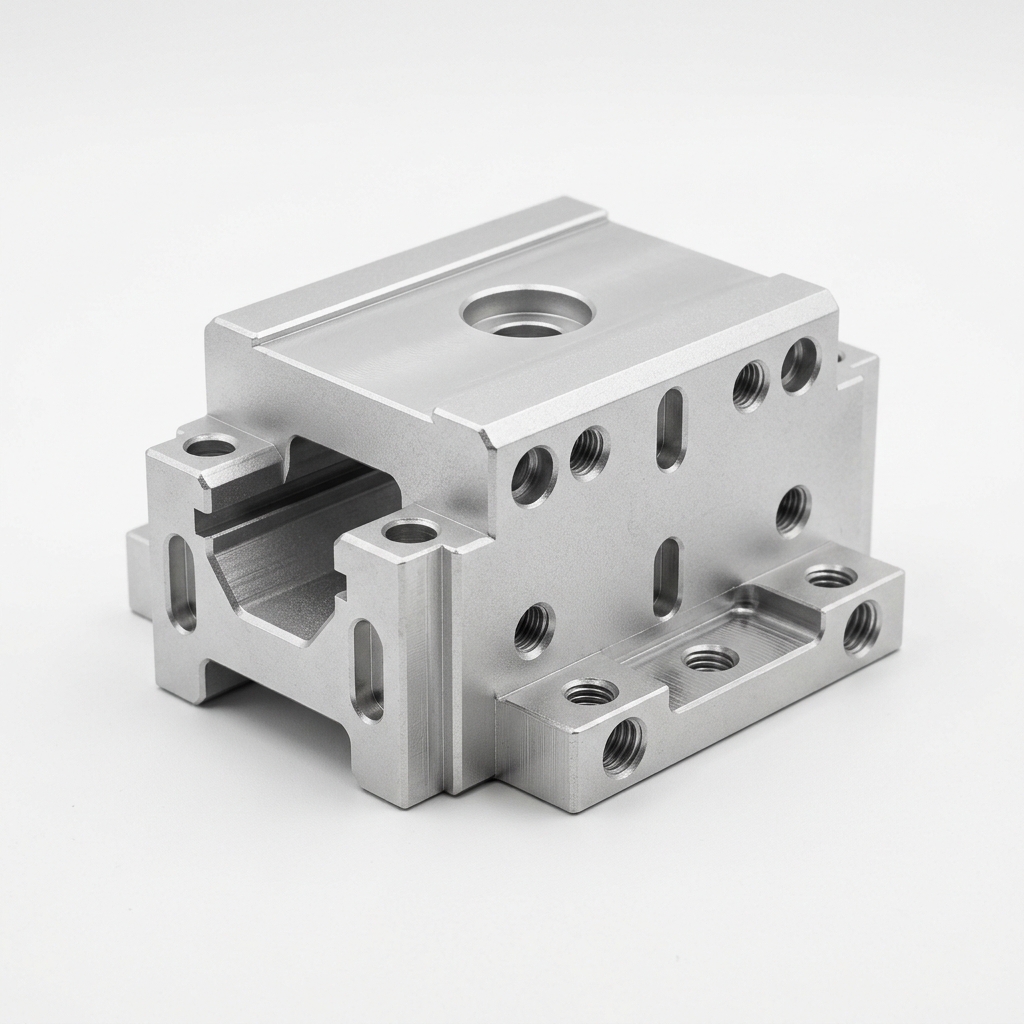
Two-Phase D2C Cold Plate CNC DFM Playbook for AI Rack Programs
A practical DFM and validation checklist for two-phase D2C cold plate machining, from micro-channel geometry to leak-test acceptance criteria.
- Open Graph image present
AI-generated financial content may constitute unlicensed investment advice
Content that discusses investment strategies, specific securities, or financial products and is generated by AI without licensed advisor review can violate SEC and FINRA rules on investment advice. The FTC also scrutinises AI-generated financial claims for deceptive practices.
## Financial Disclaimer

The content on this website is provided for informational and educational
purposes only and does not constitute investment advice, financial advice,
trading advice, or any other type of professional advice.

Nothing on this site should be construed as a recommendation to buy, sell, or
hold any security or financial instrument. Past performance is not indicative
of future results.

> Some content on this site is created or assisted by AI. AI-generated
> financial content may contain errors or outdated information. Always
> consult a licensed financial advisor before making investment decisions.

_Disclaimer last reviewed: [DATE]_
- Worth notingStructure
Standard blog sidebar and navigation present but content sections follow engineering workflow logic rather than marketing template.
Evidence- “Scope boundary before RFQ”H2
- “Failure map: where pilot lots usually fail”H2
- “Gate criteria for approval discipline”H2
Try thisNo action needed—the workflow-driven section order is appropriate for technical content; avoid template restructuring that would weaken practitioner readability.
- Worth notingImagery
All images include alt text; image sources and origins cannot be verified from URLs alone.
Evidence- “8 images with 0 missing alt attributes”page
Try thisMaintain current alt-text discipline; if images are custom photography or diagrams, confirm they are credited or sourced internally.
Signals of human authorship the page is doing well.
- Content
Technical vocabulary and real manufacturing constraints ('gate criteria', 'leak-test acceptance criteria', 'micro-channel geometry') embedded throughout, indicating domain expertise.
- Tone
Authoritative engineering voice addressing practitioners with specific validation workflows—no marketing register or repeated motivational phrasing.
- Content22
Domain-specific technical language with named processes, real constraints, and engineering decision trees—no generic LLM phrasing detected.
- Structure35
Blog post with standard heading hierarchy and sidebar navigation, but the content sections follow a logical DFM workflow rather than a template grid.
- Imagery42
Eight images present with full alt text; however, unable to verify image sources from HTML alone—no obvious stock-photo patterns or hallmark filenames in URLs.
- Tone24
Direct, authoritative engineering voice addressing specific manufacturing constraints and validation discipline; minimal marketing register, no repeated "we help X do Y" patterns.
- Words1,486
- Images8
- Alt coverage100%
- Internal links120
- External links2
- Schema blocks2
- HTML size226 KB
- Text-to-HTML4%
Each bar is one sentence of the page, in reading order — taller means longer. Human prose tends to look jagged, mixing short punches with long explanations. Machine drafts tend to flatten into even bars.
Computed from the body text we crawled, split on punctuation and filtered to prose-length sentences. Rhythm is a heuristic, not a verdict — some human writers are metronomically even, and a good editor smooths a machine draft.
No common LLM-marker phrases found — none of the stock AI vocabulary we scan for appears in the body text even once.
- Meta tagsAll presentWhy this matters
Why it matters. Title and description are the two strings Google shows in search results. They decide whether anyone clicks. A canonical tag tells Google which URL is the source of truth when the same content lives at multiple paths.
Passing looks like. A non-empty title under 60 characters, a meta description under 160, and a self-referencing canonical link.
Fix. Add the missing tags inside the page head. Treat the title as a headline you'd want to read in a SERP, not a brand slogan.
- Heading structure1 H1, 10 H2Why this matters
Why it matters. Headings are how crawlers and assistive tech understand a page's outline. One H1 names the page. H2s break it into sections. Skipped levels and missing H1s confuse both.
Passing looks like. Exactly one H1, at least one H2, and no skipped levels (no H1 to H3 jumps).
Fix. Replace the missing or duplicate H1 with a single, descriptive heading. Promote section titles to H2. Demote sub-points to H3.
- Mobile readinessResponsiveWhy this matters
Why it matters. Google indexes mobile-first. A page without a responsive viewport renders zoomed-out on phones, fails Core Web Vitals on touch, and loses its mobile ranking.
Passing looks like. A meta viewport tag with width=device-width and a layout that reflows under 600px.
Fix. Add a viewport meta tag set to width=device-width and initial-scale=1, then audit your largest blocks at mobile widths.
- Page speed signals0.6s · 226 KBWhy this matters
Why it matters. Page weight and response time directly feed Core Web Vitals. Slow LCP and oversized HTML hurt rankings more than people expect.
Passing looks like. First-byte under 1.5s, HTML payload under 500 KB, fewer than 30 images on the initial render.
Fix. Trim render-blocking scripts, defer non-critical CSS, and serve compressed images sized to the viewport. Move heavy components below the fold.
- Schema markup2 schema blocksWhy this matters
Why it matters. JSON-LD structured data is how you earn rich results: review stars, FAQ accordions, breadcrumbs, article cards. Skip it and Google has nothing structured to pull from when it builds your SERP card.
Passing looks like. At least one valid JSON-LD block matching schema.org types relevant to the page (Article, Product, FAQPage, Organization).
Fix. Add an application/ld+json script block describing the page. Validate with Google's Rich Results Test before deploying.
- Broken links0/5 broken in sampleWhy this matters
Why it matters. Broken internal links waste crawl budget, degrade UX, and signal to Google that the site isn't well-maintained. They also cap how deep crawlers reach.
Passing looks like. Every internal link in the sample returns 2xx or 3xx. No dead anchors, no stale paths.
Fix. Use the link list above to spot the broken paths. Either restore the missing pages or update the links to point at live URLs.
- Image alt textAll have altWhy this matters
Why it matters. Alt text is what screen readers read aloud, and what Google reads instead of pixels. Skip it and you lose on both fronts.
Passing looks like. Every meaningful image has a descriptive alt attribute. Decorative images can use alt="" to be skipped intentionally.
Fix. Audit images in /assets and CMS uploads. Write alts that describe what's in the image, not what it links to.
Every H1, H2, and H3 we found on the page, in document order.
Show heading outline
- H1Two-Phase D2C Cold Plate CNC DFM Playbook for AI Rack Programs
- H2Scope boundary before RFQ
- H2Failure map: where pilot lots usually fail
- H2DFM package that removes quote noise
- H2Validation flow for two-phase D2C release
- H2Gate criteria for approval discipline
- H2RFQ fields you can copy
- H2Practical decision rule
- H2Author
- H2Categories
- H2More Posts
- H3Megawatt CDU Manifold Machining: NPI Constraints and DFM Controls
- H3CNC vs MIM for Robotics Actuators - Cost and Validation Framework
- H3Machining Invar & Kovar for Silicon Photonics - A DFM & Cost Guide
We HEAD-check up to five internal links to spot broken paths quickly.
Show sampled links
- 200 · OKhttps://linkupprecision.com/products/turnkey-magnetic-assemblies
- 200 · OKhttps://linkupprecision.com/oem/export-compliance-and-logistics-execution
- 200 · OKhttps://linkupprecision.com/resources/magnet-bonding-process-window
- 200 · OKhttps://linkupprecision.com/products/custom-cnc-parts-examples
- 200 · OKhttps://linkupprecision.com/rapid-cnc-prototyping
Was this report useful?
Share this scan
Every CrawlRanker scan gets a public, shareable URL. Send it to a client, post it in a thread, or benchmark a competitor.
Preview scan. SEO checks are live. AI scoring is in beta.